
Diabetes and Hearing Loss: The Connection Most Patients Don’t Know About
- Brant Christensen, Au.D.
- Audiology
Why Diabetes Affects Hearing
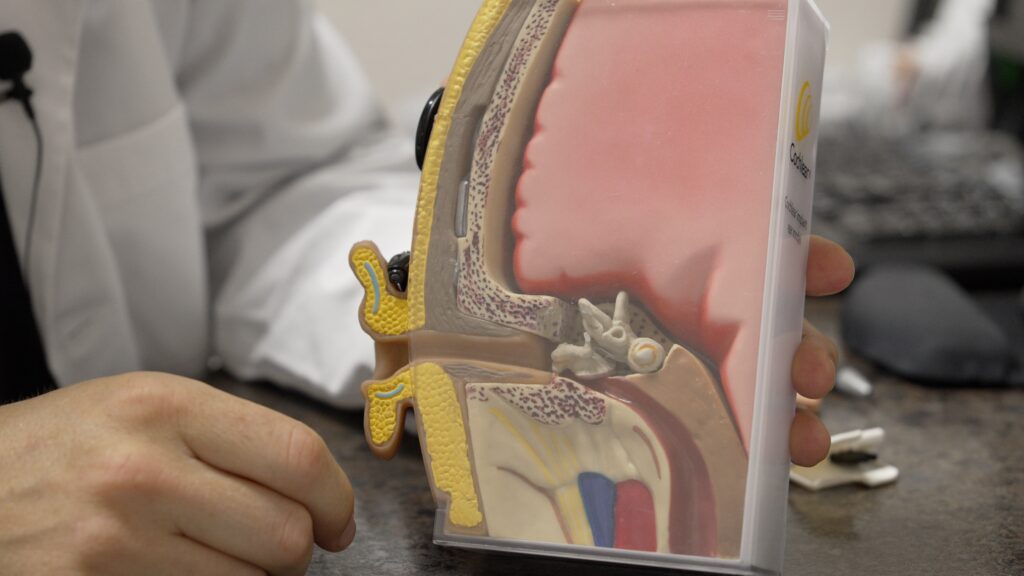
The inner ear relies on small, delicate blood vessels and nerve fibers to send sound signals to the brain. Diabetes can damage blood vessels and nerves throughout the body, a process already familiar to many patients through its effects on the eyes, kidneys, and feet. The inner ear is vulnerable in the same way.
High blood sugar levels over time may:
- Reduce blood flow to the tiny structures inside the inner ear
- Damage the auditory nerve pathways that carry sound signals to the brain
- Accelerate age-related changes in hearing
This does not mean every person with diabetes will develop hearing loss, but it does mean the risk is measurably higher, and it tends to increase the longer someone has lived with the condition.
Signs That May Be Worth Mentioning to Your Doctor
Hearing loss related to diabetes often develops gradually, which makes it easy to miss. Common early signs include:
- Trouble following conversations in restaurants or other noisy places
- Turning the TV volume up higher than family members prefer
- Asking people to repeat themselves more often than before
- Feeling like people mumble, especially in groups
- Difficulty hearing higher-pitched voices or sounds, such as birds or alarms
Because these signs overlap with normal age-related hearing changes, many people assume hearing loss is simply part of getting older and do not connect it back to their diabetes.
Why Catching It Early Matters
Untreated hearing loss does more than make conversation harder. It has been associated with increased fall risk, social withdrawal, and greater cognitive load, since the brain has to work harder to fill in gaps in sound. For someone already managing a chronic condition, added strain from unaddressed hearing loss can affect quality of life in ways that are easy to overlook.
The good news is that hearing loss connected to diabetes is manageable once it is identified. Treatment options depend on the type and degree of loss, but often include hearing aids, communication strategies, and closer monitoring over time.
Building Hearing Checks Into Diabetes Care
Just as diabetes management includes regular eye exams and foot checks, a baseline hearing test can become part of a complete care routine. This is especially worth discussing if you:
- Have had diabetes for more than five years
- Have noticed any of the listening difficulties described above
- Have not had a hearing test in the last one to two years
- Have other risk factors, such as noise exposure history or a family history of hearing loss
Questions to Bring to Your Next Appointment
- Has my hearing ever been tested, and if so, when?
- Could my diabetes be contributing to changes I have noticed in my hearing?
- What would a baseline hearing test look like, and how often should it be repeated?
- If hearing loss is found, how does that affect my overall health management?
Protect Your Hearing While Managing Diabetes
Diabetes management is already a lot to track. Adding a hearing check does not need to be complicated, but it can catch a problem early, before it starts affecting communication, safety, or quality of life.
At Brant Audiology, our team can perform a complete hearing evaluation and explain how your results connect to your broader health picture.
Schedule an appointment with Brant Audiology today!